

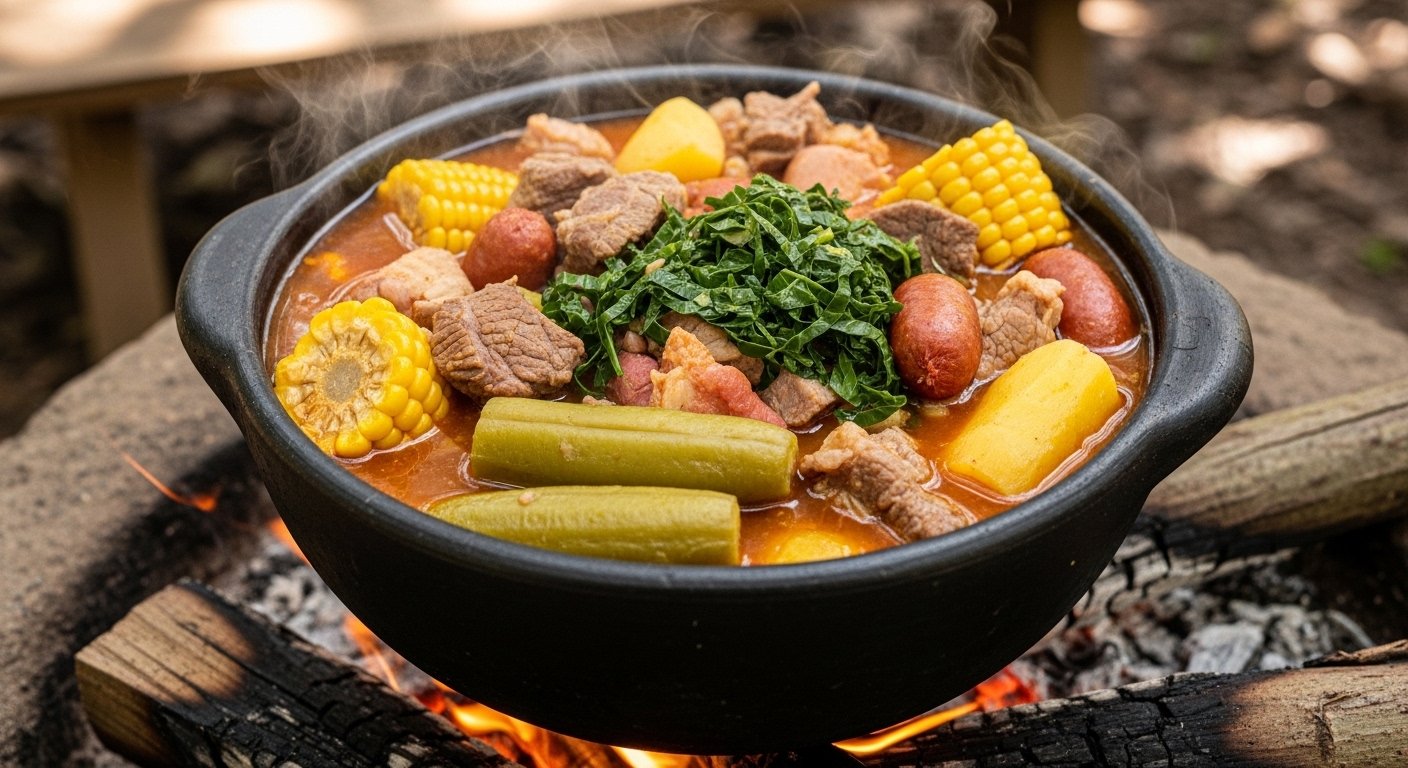
Portuguese gastronomy holds a treasure trove of culinary secrets, deeply rooted in history and shaped by the land and sea. Among the lush, volcanic landscapes of the Azores archipelago, one dish stands as a testament to this rich culinary heritage: Piçada.
For cultural travelers and food enthusiasts alike, tasting authentic regional food offers a direct connection to the heart of a destination. Piçada is more than just a meal; it is a cultural artifact served on a plate. This hearty, slow-cooked meat dish captures the essence of Azorean heritage, bringing together local spices, robust wines, and generations of tradition.
Whether you are planning a trip to the mid-Atlantic islands or looking to recreate a piece of Portuguese gastronomy in your own kitchen, understanding this dish is essential. This comprehensive guide will explore the historical context of Piçada, outline its regional variations, provide a detailed traditional recipe, and suggest modern pairings to elevate your dining experience.
Historical Context of Azorean Gastronomy
To truly appreciate Piçada, you must first understand the environment that created it. The Azores consists of nine volcanic islands isolated in the middle of the Atlantic Ocean. For centuries, the islanders relied heavily on what they could grow, raise, and catch.
Historically, meat was considered a luxury. Families saved premium cuts of beef and pork for special occasions and religious celebrations. The most prominent of these celebrations is the Festas do Espírito Santo (Festivals of the Holy Spirit), a tradition dating back to the first Portuguese settlers in the 15th century. During these communal feasts, families gather to share food, music, and gratitude.
Piçada emerged from these festive gatherings. The name and preparation method reflect the need to tenderize and preserve meat using local ingredients. Before modern refrigeration, cooks relied on rich marinades made from local wine, crushed garlic, and salt. They would slow-cook the marinated meats over open fires or wood-burning ovens, allowing the tough cuts to transform into meltingly tender morsels.
The dish reflects a beautiful marriage of Portuguese mainland traditions—specifically the use of vinha d’alhos (garlic and wine marinades)—and the unique agricultural offerings of the volcanic Azorean soil.
The Art of Making Piçada
Creating authentic Piçada requires patience and a deep respect for the ingredients. The dish is fundamentally simple, relying on the quality of its components rather than complex techniques.
Essential Ingredients
The flavor profile of Piçada relies on a few non-negotiable staples of Portuguese gastronomy:
- Quality Meat: Traditional recipes use beef chuck or pork shoulder. These cuts benefit immensely from slow cooking, breaking down into tender, flavorful bites.
- Massa de Pimentão: This fermented sweet red pepper paste gives the dish its signature earthy sweetness and vibrant red hue.
- Garlic and Onions: The foundational aromatics of almost all Azorean savory dishes.
- Local Wine: A robust white or red wine is crucial for the marinade, tenderizing the meat and creating a rich, complex sauce.
- Spices: Bay leaves, black peppercorns, and a hint of allspice or clove reflect the historical spice trade routes that passed through the islands.
Traditional Azorean Piçada Recipe
Bring the flavors of the Azores into your own kitchen with this traditional recipe. The key to success is allowing the meat to marinate overnight, giving the flavors time to penetrate the protein deeply.
Prep time: 20 minutes (plus overnight marination)
Cook time: 2.5 hours
Servings: 6
Ingredients:
- 3 lbs (1.4 kg) beef chuck or pork shoulder, cut into 2-inch cubes
- 4 cloves garlic, minced
- 2 large yellow onions, finely chopped
- 3 tablespoons massa de pimentão (Portuguese red pepper paste)
- 2 cups dry wine (preferably a Portuguese Verdelho or robust red)
- 1/4 cup quality olive oil
- 3 dried bay leaves
- 1 teaspoon black peppercorns, lightly crushed
- 1/2 teaspoon ground allspice
- Salt to taste
- Fresh parsley, chopped (for garnish)
Step-by-Step Instructions:
- Prepare the Marinade: In a large glass or ceramic bowl, combine the minced garlic, wine, massa de pimentão, bay leaves, crushed peppercorns, and allspice. Mix well.
- Marinate the Meat: Add the cubed meat to the marinade, ensuring every piece is well coated. Cover the bowl securely and refrigerate for at least 12 hours, ideally overnight.
- Brown the Meat: Remove the meat from the refrigerator and separate it from the marinade. Reserve the liquid. Heat the olive oil in a heavy-bottomed pot or Dutch oven over medium-high heat. Sear the meat in batches until deeply browned on all sides. Remove the meat and set aside.
- Sauté the Aromatics: In the same pot, lower the heat to medium. Add the chopped onions and cook until soft and translucent, scraping up any browned bits from the bottom of the pot.
- Slow Braise: Return the browned meat to the pot. Pour in the reserved marinade. Bring the liquid to a gentle simmer. Cover the pot with a tight-fitting lid, reduce the heat to low, and let it braise for 2 to 2.5 hours. Check occasionally, adding a splash of water or beef broth if the liquid reduces too much.
- Final Polish: The dish is ready when the meat is fork-tender and the sauce has thickened into a rich, glossy glaze. Taste for seasoning and add salt if necessary. Garnish with fresh chopped parsley before serving.
Regional Variations
While the core principles of Piçada remain consistent, travel across the Azorean archipelago and you will discover distinct island-specific variations. Each island adapts the dish based on its microclimate and local agricultural strengths.
São Miguel Island
On the largest island of São Miguel, cooks often incorporate a subtle hint of local tea or distinctive local peppers into the braising liquid. The famous Gorreana tea plantation provides black tea that locals sometimes use to add an earthy, tannic depth to the meat sauce, creating a uniquely dark and rich gravy.
Terceira Island
Terceira is famous for its Alcatra, a slow-cooked pot roast. When making Piçada, cooks in Terceira often borrow the Alcatra cooking method. They use unglazed clay pots to slow-bake the meat in wood-fired ovens. The porous clay absorbs the spices over years of use, imparting a distinct, rustic flavor to the dish that cannot be replicated in metal cookware.
Pico Island
Pico Island boasts a striking volcanic landscape covered in unique vineyards protected by basalt rock walls. Naturally, Piçada from Pico features a heavy reliance on the island’s famous Verdelho wine. The marinades here tend to be more acidic and fragrant, cutting through the richness of the meat and elevating the overall flavor profile.
Modern Pairings and Serving Suggestions
To fully appreciate this pillar of Azorean cuisine, you must consider the sides and beverages that accompany it. Traditionally, Azorean families serve this hearty meat stew with simple, starchy sides that soak up the flavorful sauce.
Side Dishes:
For an authentic experience, serve Piçada alongside boiled Azorean yams (inhame) or thick slices of crusty rural bread. Another excellent option is Bolo Lêvedo, a slightly sweet, pan-cooked muffin native to the Furnas valley. The subtle sweetness of the bread perfectly balances the savory, garlicky depth of the meat sauce. If you prefer a more modern approach, creamy garlic mashed potatoes or roasted root vegetables make fantastic accompaniments.
Experience Azorean Heritage in Every Bite
Food serves as a powerful bridge to understanding different cultures, and Azorean Piçada is a perfect example of this connection. By exploring its history, understanding its ingredients, and taking the time to cook it slowly, you participate in a centuries-old tradition of Portuguese gastronomy.
Whether you are hosting a dinner party and want to share a unique cultural dish, or you are simply looking to expand your culinary repertoire, Piçada offers an incredibly rewarding cooking experience. Gather your ingredients, pour a glass of Portuguese wine, and let the slow-cooking process fill your home with the warm, inviting aromas of the Azores.