

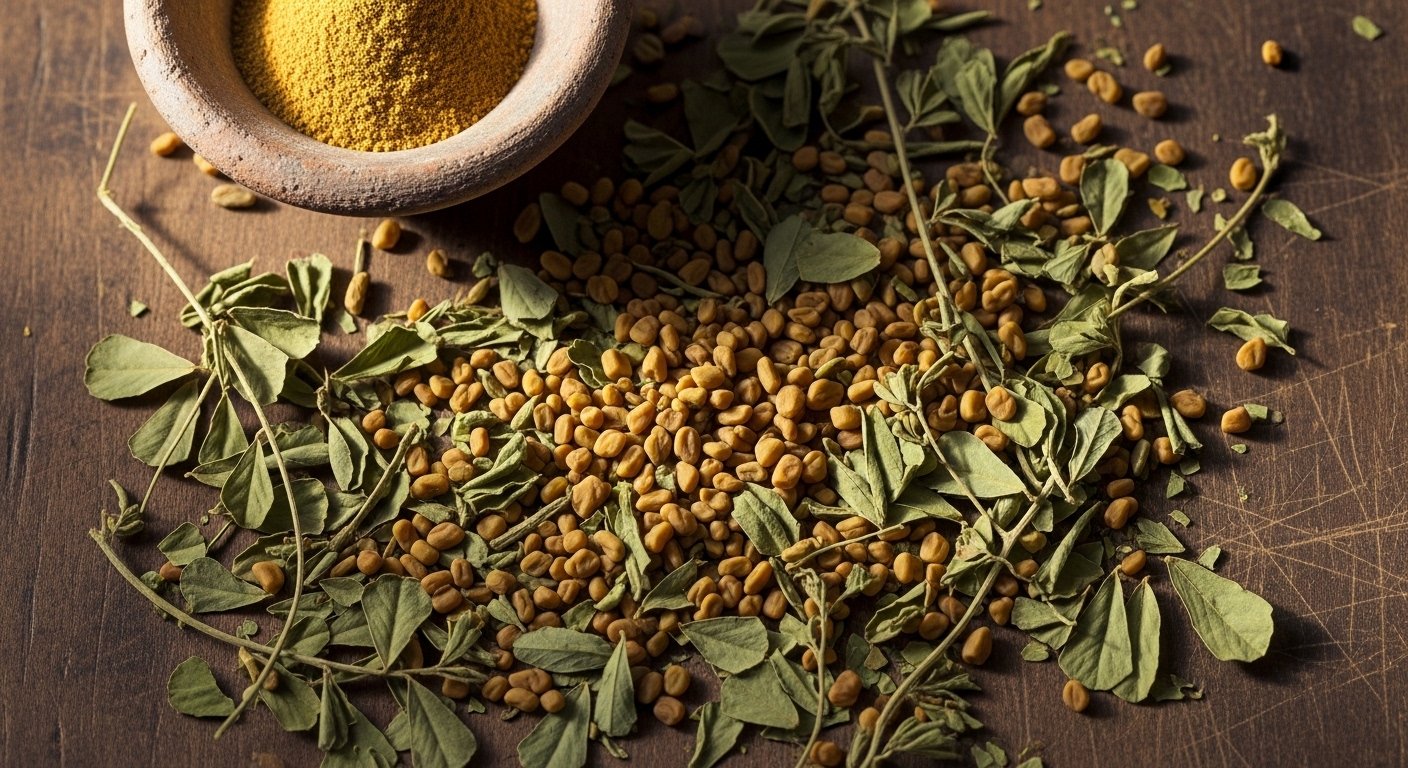
Fenugreek (also known as foenegriek) is a clover-like herb native to the Mediterranean region, southern Europe, and western Asia. The plant’s seeds and leaves are widely used in culinary dishes and traditional medicine. Fenugreek offers significant health benefits, including improved blood sugar control, enhanced testosterone levels, and increased breast milk production.
Fenugreek is a highly versatile plant that has quietly powered traditional medicine cabinets and spice racks for thousands of years. Known scientifically as Trigonella foenum-graecum, this aromatic herb produces small white flowers and pods filled with golden-brown seeds. These seeds possess a distinct, slightly sweet, nutty flavor often compared to maple syrup.
Many people encounter fenugreek without even realizing it. The herb serves as a foundational ingredient in global cuisines, particularly in Indian curries, Middle Eastern spice blends, and Egyptian teas. Beyond its culinary appeal, fenugreek extracts are frequently added to soaps, cosmetics, and commercial spice mixtures.
Modern science is finally catching up to ancient wisdom regarding this powerful plant. Researchers are actively studying fenugreek for its medicinal properties, uncovering strong evidence that supports its use in managing diabetes, balancing cholesterol, and regulating hormones. This comprehensive guide explores everything you need to know about fenugreek, from its historical roots to practical ways you can add it to your daily routine.
Where does fenugreek come from?
Fenugreek originated in the Mediterranean region and western Asia. Ancient civilizations recognized the value of the fenugreek plant early on, utilizing both its seeds and fresh leaves.
Historically, ancient Egyptians used fenugreek seeds in their embalming processes and to treat burns. The Ebers Papyrus, an Egyptian medical document dating back to 1500 B.C., specifically mentions fenugreek as an effective treatment for inducing childbirth. Romans favored the herb to flavor their wine and as a staple food for their livestock. The name foenum-graecum literally translates to “Greek hay,” reflecting its common use as animal fodder in ancient Greece.
Today, India stands as the world’s largest producer and consumer of fenugreek. The plant thrives in well-drained soils and requires moderate rainfall, making the climate of the Indian subcontinent ideal for cultivation. Farmers also grow fenugreek extensively in North Africa, the Middle East, and parts of southern Europe.
What is the nutritional profile of fenugreek?
Fenugreek seeds are incredibly nutrient-dense, offering a robust profile of fiber, protein, and essential minerals. A single tablespoon (approximately 11 grams) of whole fenugreek seeds contains 35 calories and provides a highly concentrated dose of vital nutrients.
A one-tablespoon serving of fenugreek seeds delivers:
- Fiber: 3 grams
- Protein: 3 grams
- Carbohydrates: 6 grams
- Fat: 1 gram
- Iron: 20% of the Daily Value (DV)
- Manganese: 7% of the DV
- Magnesium: 5% of the DV
The high dietary fiber content in fenugreek primarily consists of galactomannan, a water-soluble fiber. This specific type of fiber plays a crucial role in slowing down digestion and the absorption of carbohydrates. Consequently, galactomannan helps prevent sudden spikes in blood sugar levels after meals.
Fenugreek seeds also contain powerful phytonutrients and antioxidants. These compounds include choline, trigonelline, and various saponins. Diosgenin, a specific steroidal saponin found in fenugreek, serves as a precursor for the synthesis of several hormones, which explains many of the plant’s physiological effects on the human body.
What are the proven health benefits of fenugreek?
Fenugreek offers a wide array of evidence-based health benefits, primarily centered around metabolic and hormonal regulation. Scientific studies have consistently demonstrated the plant’s effectiveness in managing blood sugar, enhancing milk production in nursing mothers, and boosting testosterone levels in men.
How does fenugreek affect blood sugar and diabetes?
Fenugreek significantly improves metabolic function and helps manage blood sugar levels. Both human and animal studies show that fenugreek can reduce fasting blood glucose levels and improve glucose tolerance.
The mechanism behind this benefit is twofold. First, the high concentration of soluble fiber (galactomannan) slows carbohydrate digestion and sugar absorption. Second, fenugreek contains the amino acid 4-hydroxyisoleucine, which stimulates the secretion of insulin in the pancreas. A clinical study involving people with type 2 diabetes found that taking 5 grams of fenugreek seed powder twice daily over two months led to a significant reduction in fasting blood sugar levels and improved insulin sensitivity.
Can fenugreek increase breast milk production?
Fenugreek is highly effective at stimulating breast milk production in nursing mothers. Healthcare providers frequently recommend fenugreek as a natural galactagogue (a substance that promotes lactation).
Research indicates that fenugreek can increase milk volume within 24 to 72 hours of consumption. A notable study published in the Journal of Alternative and Complementary Medicine divided lactating mothers into three groups: one received fenugreek tea, one received a placebo, and one received nothing. The mothers consuming fenugreek tea produced significantly more breast milk, resulting in greater infant weight gain compared to the other groups.
Does fenugreek boost testosterone in men?
Fenugreek supplementation can naturally increase testosterone levels and improve sexual function in men. The plant contains compounds called furostanolic saponins, which are believed to stimulate testosterone production and prevent the breakdown of the hormone.
A clinical trial involving 30 college-aged men who engaged in weightlifting four times a week tested the effects of fenugreek. Half the participants received 500 milligrams of fenugreek extract daily, while the other half received a placebo. After eight weeks, the men taking the fenugreek extract experienced a significant increase in testosterone levels and a corresponding decrease in body fat compared to the placebo group.
How does fenugreek impact cholesterol levels?
Fenugreek can lower total cholesterol, LDL (bad) cholesterol, and triglycerides. The steroidal saponins in fenugreek seeds inhibit the absorption of cholesterol in the intestines and reduce the liver’s production of cholesterol. Regular consumption of fenugreek may therefore help reduce the risk of cardiovascular disease by maintaining healthy lipid profiles.
How is fenugreek used in cooking and recipes?
Fenugreek is a highly versatile culinary ingredient used to add warmth, depth, and a subtle maple-like sweetness to various dishes. Cooks utilize both the golden seeds and the green leaves (known as methi) in different culinary applications.
Using Fenugreek Seeds
Chefs primarily use fenugreek seeds in spice blends. The seeds are very hard and can taste overwhelmingly bitter if eaten raw. To unlock their sweet, nutty flavor, you should lightly dry-roast the seeds in a pan over medium heat for one to two minutes. Be careful not to burn them, as this amplifies their bitterness. Once roasted, grind the seeds and add them to curries, dry rubs for meats, or homemade pickles. Ground fenugreek is a crucial component in traditional Indian garam masala and the Ethiopian spice blend berbere.
Using Fresh and Dried Fenugreek Leaves
Fresh fenugreek leaves function much like spinach or kale. You can chop the fresh leaves and stir them into vegetable dishes, lentil soups (dals), or bread doughs. Dried fenugreek leaves, commonly labeled as kasuri methi, possess a much stronger, more concentrated aroma. Crush a small pinch of dried leaves between your palms and sprinkle them over a finished curry or creamy tomato sauce right before serving to elevate the dish’s flavor profile.
How is fenugreek used in traditional medicine?
Traditional medicine systems have relied on fenugreek for centuries to treat digestive, respiratory, and inflammatory conditions.
In Ayurveda (the traditional medicine system of India), practitioners classify fenugreek as a warming spice. Ayurvedic doctors prescribe fenugreek to pacify Vata and Kapha doshas. They commonly use fenugreek water (seeds soaked overnight) to treat digestive sluggishness, bloating, and joint pain.
Traditional Chinese Medicine (TCM) refers to fenugreek as Hu Lu Ba. TCM practitioners use the herb to warm the kidneys, disperse cold, and alleviate pain. They frequently prescribe fenugreek for conditions involving cold and dampness in the lower body, such as abdominal cramps, hernia pain, and lower back aches.
In herbal medicine across the Middle East, healers use fenugreek poultices topically to treat skin inflammation, eczema, and boils. The mucilage found in the seeds creates a soothing gel when mixed with water, which helps calm irritated tissues.
What are the potential side effects of fenugreek?
Fenugreek is generally safe for most people when consumed in typical food amounts. However, taking fenugreek in medicinal doses or as a concentrated supplement carries some potential risks and side effects.
Digestive Discomfort: High doses of fenugreek can cause mild gastrointestinal issues. Users frequently report symptoms such as diarrhea, stomach cramps, and excessive gas. Starting with a low dose and gradually increasing it can help minimize these digestive side effects.
Allergic Reactions: Fenugreek belongs to the Fabaceae family, which also includes peanuts, chickpeas, and soybeans. Individuals with severe allergies to these legumes may experience cross-reactivity and allergic reactions to fenugreek. Symptoms can include nasal congestion, coughing, wheezing, and facial swelling.
Blood Sugar Drops: Because fenugreek effectively lowers blood sugar, combining it with diabetes medications can cause hypoglycemia (dangerously low blood sugar). People currently taking insulin or oral hypoglycemic drugs must monitor their blood glucose levels closely and consult a healthcare provider before taking fenugreek supplements.
Pregnancy Concerns: Pregnant women should avoid using fenugreek in large medicinal doses. Historically, the herb has been used to induce labor because it can stimulate uterine contractions. Consuming culinary amounts in food is considered safe, but pregnant women should avoid concentrated extracts and capsules.
Body Odor: A harmless but notable side effect of fenugreek consumption is a change in body odor. The compound sotolon, which gives fenugreek its distinct smell, passes through the body and can cause your sweat and urine to smell strongly of maple syrup.
How can you incorporate fenugreek into your diet?
Adding fenugreek to your daily routine is straightforward. You can choose to consume it as a food ingredient, brew it as a tea, or take it as a dietary supplement.
Drink fenugreek water: This is the simplest method for daily consumption. Rinse one teaspoon of whole fenugreek seeds and place them in a glass of warm water. Let the seeds soak overnight. In the morning, strain the liquid and drink the water on an empty stomach. You can also chew the softened seeds for extra fiber.
Brew fenugreek tea: Boil one teaspoon of lightly crushed fenugreek seeds in a cup of water for five minutes. Strain the tea and add a small amount of honey and lemon to balance the slightly bitter taste. This tea is excellent for digestion after a heavy meal.
Take fenugreek supplements: If you dislike the taste of fenugreek, capsules and extracts provide a convenient alternative. Standardized fenugreek extract supplements typically range from 500 to 600 milligrams. Always follow the dosage instructions on the product label and choose supplements from reputable manufacturers that undergo third-party testing.
Add to everyday meals: Sprinkle a pinch of ground fenugreek into hearty stews, chili, or roasted root vegetables. You can also mix sprouted fenugreek seeds into fresh salads for a crunchy, nutrient-dense addition.
Taking the next step with fenugreek
Fenugreek offers a compelling combination of deep historical roots, profound culinary versatility, and proven health benefits. By understanding its nutritional profile and therapeutic properties, you can make informed decisions about utilizing this powerful herb.
Start small by introducing a pinch of roasted fenugreek powder to your next dinner recipe, or try soaking a teaspoon of seeds overnight for a morning wellness tonic. If you plan to use fenugreek to address specific medical conditions like diabetes or low testosterone, schedule a conversation with your healthcare provider to ensure it aligns safely with your current health regimen.
Frequently Asked Questions
What is fenugreek best used for?
Fenugreek is best used for improving metabolic health and regulating hormones. Clinically, healthcare providers most commonly recommend fenugreek supplements to help manage blood sugar levels in people with type 2 diabetes and to naturally stimulate breast milk production in nursing mothers.
Is it safe to take fenugreek every day?
Yes, it is safe for most healthy adults to take fenugreek daily in moderate amounts. Daily consumption of fenugreek water or culinary quantities of the spice generally poses no health risks. However, you should consult a doctor before taking high-dose fenugreek supplements daily for extended periods.
Can fenugreek cause weight gain?
Fenugreek does not directly cause fat accumulation or weight gain. In fact, its high fiber content helps promote satiety and regulate blood sugar, which can support weight loss. However, fenugreek may stimulate appetite in some individuals, which historically led to its use as an aid for healthy weight gain in convalescent patients.
How long does it take for fenugreek to work?
The timeline for fenugreek’s effectiveness depends on the intended use. Nursing mothers typically observe an increase in breast milk production within 24 to 72 hours of starting fenugreek. For improving blood sugar control or boosting testosterone, clinical studies suggest taking fenugreek consistently for four to eight weeks to see significant, measurable results.
Who should avoid taking fenugreek?
Pregnant women should avoid fenugreek supplements because the herb can stimulate uterine contractions and potentially induce early labor. Additionally, individuals taking medication for diabetes should avoid high doses of fenugreek unless supervised by a doctor, as the combination can cause dangerously low blood sugar levels. People with peanut or chickpea allergies should also exercise caution due to potential cross-reactivity.