

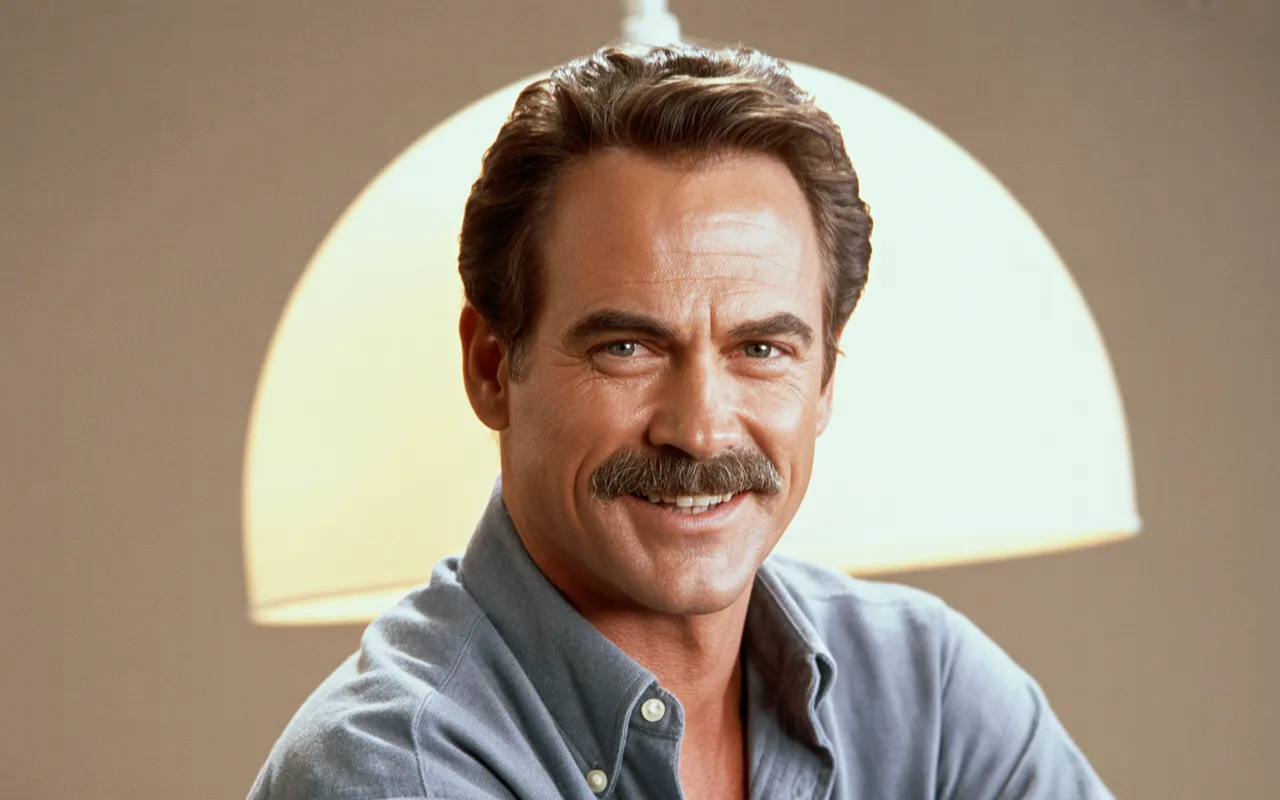
Human memory plays fascinating tricks on us, especially when we look back at the golden age of network television. If you catch yourself searching for a classic sitcom star named “Burt Thicke,” you might end up scrolling through search results feeling completely confused. Did he star in a famous family comedy? Did he host a late-night show?
The truth is, Burt Thicke never existed. The name is actually a nostalgic mash-up of two massive pop culture icons from the late 1980s and 1990s: Burt Reynolds and Alan Thicke.
Both actors anchored beloved television shows, portrayed iconic father figures, and left permanent marks on the entertainment landscape. When we blend their names, we inadvertently create the ultimate 90s television dad.
This guide will break down exactly why this name confusion happens. We will explore the legendary careers of both Burt Reynolds and Alan Thicke, revisit their most famous television roles, and look at how their respective legacies continue to shape pop culture.
Who is Burt Thicke? Unpacking the Name Confusion
Our brains constantly look for patterns, and nostalgia often blurs the lines between different memories. The “Burt Thicke” phenomenon is a classic example of a portmanteau—a linguistic blend of words. In this case, it combines the first name of Hollywood heavyweight Burt Reynolds with the last name of sitcom staple Alan Thicke.
Why do these two specific actors get tangled in our memories? They shared a very specific cultural real estate. During the late 80s and early 90s, families gathered around their televisions at prime time to watch comforting, character-driven sitcoms. Both men led successful shows that dealt with family dynamics, parenting, and small-town or suburban life.
When people try to recall the charming, charismatic father figure they watched after dinner in 1992, they often grab Burt Reynolds’ first name and attach it to Alan Thicke’s surname. It makes perfect sense when you look closely at the parallel paths these two actors took through network television.
Burt Reynolds: From Movie Star to Evening Shade
Long before he became a television dad, Burt Reynolds defined Hollywood masculinity. Throughout the 1970s, he reigned as the top box-office draw in the world, starring in massive hits like Smokey and the Bandit and Deliverance. He had the famous mustache, the iconic laugh, and an undeniable onscreen presence.
However, as the 1990s approached, Reynolds made a fascinating career pivot. He transitioned from the silver screen to network television, bringing his massive star power directly into people’s living rooms.
The Charm of Wood Newton
In 1990, Reynolds took on the lead role in Evening Shade, a sitcom set in a quirky Arkansas town. He played Wood Newton, a former professional football player for the Pittsburgh Steelers who returns to his rural roots to coach a high school football team. The team, unfortunately, rarely wins a game.
Wood Newton completely subverted Reynolds’ previous tough-guy image. He was a dedicated husband, a loving father, and a deeply flawed but well-meaning community leader. The character allowed Reynolds to showcase his incredible comedic timing and vulnerability. He traded high-speed car chases for porch swing conversations and small-town gossip.
The show became a massive hit, running for four seasons. It proved that a traditional movie star could successfully anchor a half-hour television comedy. Reynolds even won an Emmy Award for Outstanding Lead Actor in a Comedy Series for his performance, cementing Wood Newton as one of the most memorable characters of the decade.
Impact on 90s Pop Culture
Reynolds’ success on Evening Shade helped change the way the entertainment industry viewed television. He showed that moving from film to a sitcom was not a step down, but rather a chance to connect with audiences on a daily, intimate level. His portrayal of Wood Newton gave viewers a fresh, relatable look at middle-aged manhood and fatherhood in the South.
Because Evening Shade aired during the peak of 90s sitcom mania, Reynolds became permanently associated with the cozy, family-friendly programming of the era. This association plants the first seed for the “Burt Thicke” memory blend.
Alan Thicke: America’s Favorite TV Patriarch
While Burt Reynolds brought cinematic grit to the sitcom format, Alan Thicke practically defined the modern television dad. Before he became an actor, Thicke worked heavily behind the scenes as a successful talk show host and a prolific composer of iconic TV theme songs. He actually wrote the catchy themes for Diff’rent Strokes and The Facts of Life.
However, the world remembers him best for his on-screen role as the ultimate sweater-wearing, advice-giving father.
Dr. Jason Seaver and Growing Pains
From 1985 to 1992, Alan Thicke starred as Dr. Jason Seaver on the hit ABC sitcom Growing Pains. The premise was revolutionary for its time: a mother goes back to work as a reporter, leaving her psychiatrist husband to move his practice into the family home so he can keep an eye on the kids.
Dr. Seaver was the emotional anchor of the Seaver household. He dealt with the wild antics of his teenage son Mike, the anxieties of his brainy daughter Carol, and the everyday chaos of family life. Thicke played the role with a perfect blend of stern authority, quick wit, and deep affection.
He possessed a natural warmth that made audiences feel safe. Whenever a character faced a tough moral dilemma, you knew Dr. Seaver would be there in his home office, ready to offer a perfect piece of wisdom wrapped in a gentle joke.
A Renaissance Man of the 80s and 90s
Thicke’s influence extended far beyond Growing Pains. He was a constant presence in 90s pop culture, frequently hosting beauty pageants, parade broadcasts, and variety specials. His smooth voice, perfectly coiffed hair, and Canadian charm made him a fixture of the entertainment industry.
Later in life, he also gained recognition among a younger generation as the real-life father of pop and R&B singer Robin Thicke. This kept the Thicke name relevant in the headlines well into the 2010s, ensuring that his legacy remained fresh in the public consciousness.
Why We Confuse These Iconic Stars
Now that we understand the impact of both men, the “Burt Thicke” mix-up becomes completely understandable. Memory relies on association. When we recall the late 80s and early 90s, we categorize certain elements together.
The Era of the Sitcom Dad
Both Burt Reynolds and Alan Thicke represent the ultimate “Sitcom Dad” archetype. If you were watching television on a Tuesday night in 1991, you likely saw promos for both Evening Shade and Growing Pains. Both shows featured prominent, charismatic leading men navigating the ups and downs of family life.
Furthermore, both actors projected a very specific kind of traditional masculinity that was softening to fit the changing times. They were strong, confident men who weren’t afraid to show vulnerability, hug their kids, or look foolish for a laugh.
When decades pass, the specifics of these shows fade. We forget the exact character names like Wood Newton or Jason Seaver. Instead, we remember the feelings of comfort and amusement they provided. We take the rugged, famous first name of Burt, combine it with the ultimate TV dad last name of Thicke, and accidentally invent a brand new celebrity.
Conclusion: Celebrating Two Television Legends
While Burt Thicke might just be a funny trick of the mind, the two men behind the name deserve every bit of our nostalgic appreciation.
Burt Reynolds proved that a Hollywood action star could reinvent himself as a charming, hilarious, and deeply relatable small-town coach. He gave Evening Shade its heart and brought immense prestige to the 90s sitcom landscape.
Alan Thicke created a blueprint for the modern television father. As Dr. Jason Seaver, he guided millions of viewers through the awkward phases of growing up, proving that parenting could be handled with grace, humor, and a lot of patience.
The next time you catch yourself mixing up their names, don’t feel bad. It simply proves how deeply both actors embedded themselves into our collective memory. If you want to experience the magic that made them so memorable, seek out a classic episode of Growing Pains or Evening Shade. You will quickly see exactly why these two remarkable entertainers remain unforgettable decades later.