

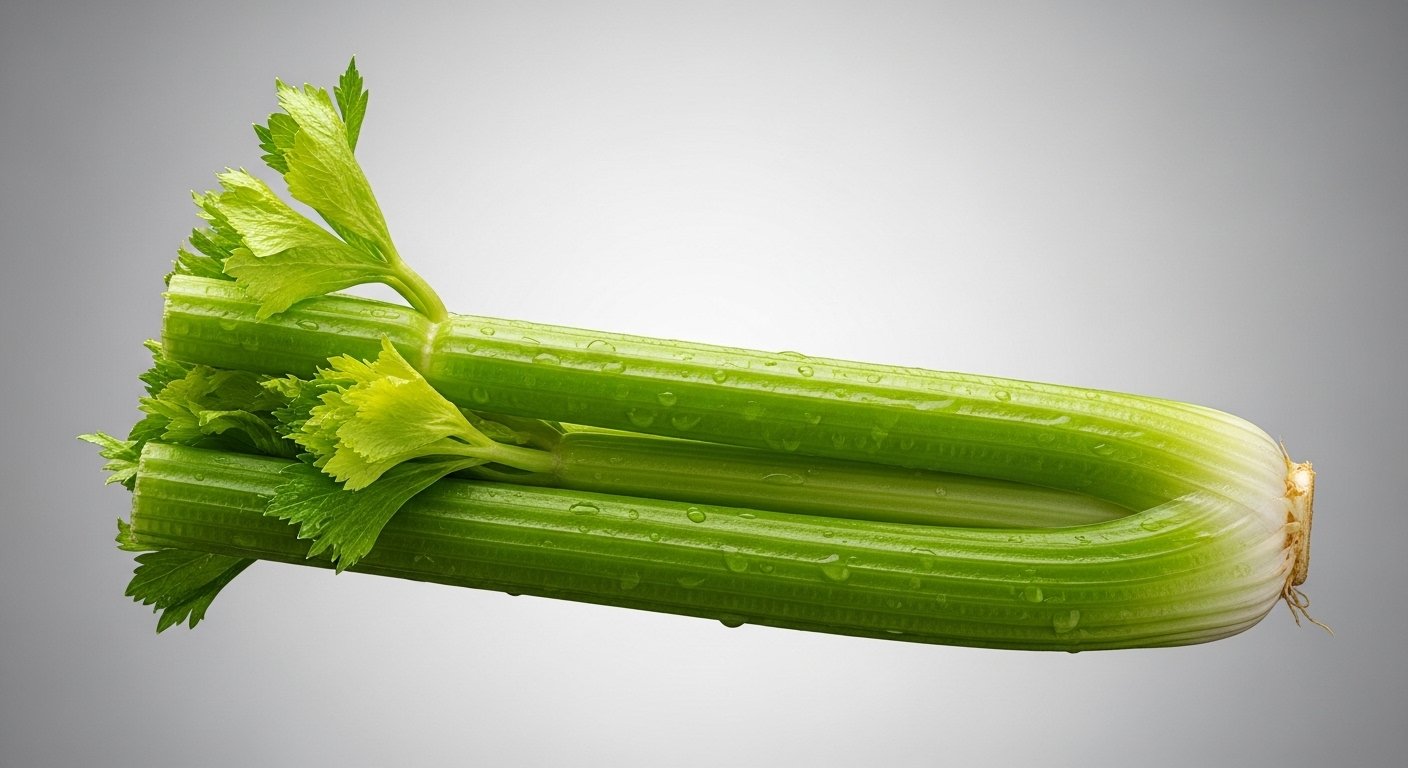
Pravi celer, or true celery (Apium graveolens), is a versatile, aromatic biennial plant cultivated globally for its crisp stalks, flavorful leaves, and bulbous roots. Known for its distinct earthy flavor, true celery is a highly nutritious, low-calorie vegetable rich in vitamins A, K, and C, as well as essential dietary fiber and antioxidants.
Pravi celer, commonly known as true celery, holds a foundational place in kitchens around the world. As a key aromatic ingredient, true celery provides the flavor base for countless broths, soups, and stews. Cooks value the plant not just for its satisfying crunch, but for the deep, savory notes the vegetable adds to complex culinary creations.
Understanding the unique characteristics of pravi celer can transform how you approach everyday cooking and nutrition. Many people only recognize the pale green stalks sold in local supermarkets, missing out on the broader family of true celery plants. This plant family includes robust root vegetables and leafy herbs that offer entirely different textures and culinary applications.
This guide explores every aspect of pravi celer. You will learn about the history of true celery, discover the plant’s impressive nutritional profile, and find actionable tips for growing and storing your own celery harvest. By exploring the different varieties and uses of true celery, you can elevate your meals and maximize the health benefits of this remarkable vegetable.
Where Does Pravi Celer (True Celery) Come From?
Pravi celer originated in the marshy regions of the Mediterranean and the Middle East. Ancient civilizations initially utilized true celery for medicinal purposes rather than as an everyday food source. Historical records show that the ancient Greeks and Romans cultivated early forms of the celery plant, often using celery leaves to weave celebratory garlands for victorious athletes.
The transition of true celery from a medicinal herb to a culinary staple occurred primarily in the 17th century. French and Italian botanists began selectively breeding wild celery (known as smallage) to reduce the plant’s natural bitterness. This selective breeding process eventually produced the milder, sweeter, and crunchier stalks of the true celery we consume today.
By the 19th century, pravi celer had spread across Europe and into North America. The introduction of the Pascal celery variety in the United States cemented the plant’s popularity, making the crisp green stalks a standard commercial crop. Today, true celery thrives in temperate climates globally, with major agricultural production centered in regions like California, Spain, and Eastern Europe.
What Are the Nutritional Benefits of Pravi Celer?
Pravi celer provides significant nutritional benefits, primarily due to the vegetable’s high water content, dietary fiber, and concentrated micronutrients. A single cup of chopped true celery contains only about 14 calories, making the vegetable an excellent choice for individuals managing their caloric intake while seeking high-volume foods.
True celery is exceptionally rich in Vitamin K. Consuming one cup of pravi celer provides roughly 30% of the recommended daily intake of Vitamin K, a nutrient essential for blood clotting and maintaining strong bone density. Additionally, true celery offers good amounts of Vitamin A for eye health, Vitamin C for immune support, and potassium for regulating blood pressure.
The health benefits of pravi celer extend to digestion and inflammation reduction. True celery contains apigenin and luteolin, two powerful antioxidants that researchers link to reduced inflammation in the digestive tract. Furthermore, the vegetable contains pectin-based polysaccharides that help protect the stomach lining and prevent the formation of gastric ulcers. Choose pravi celer if optimizing digestive health and increasing hydration matter most for your dietary goals.
What Are the Different Varieties of Pravi Celer?
The pravi celer family includes three main cultivated varieties: stalk celery (Pascal celery), celeriac (root celery), and leaf celery (Chinese celery). Each variety of true celery serves a distinct culinary purpose and requires different preparation methods.
What is Pascal Celery (Stalk Celery)?
Pascal celery is the most common variety of pravi celer found in grocery stores. Agricultural producers cultivate Pascal celery specifically for the plant’s thick, crisp, and water-dense leaf stalks. This variety features a mild, slightly sweet flavor profile. Cooks primarily consume Pascal celery raw in salads, use the stalks as a vehicle for dips, or chop the vegetable as a base ingredient for the classic French mirepoix.
What is Celeriac (Root Celery)?
Celeriac, or root celery, is a variety of pravi celer cultivated for the plant’s large, bulbous hypocotyl (the swollen base of the stem). Unlike stalk celery, celeriac features a knobby, tough exterior that must be peeled before consumption. The flesh of celeriac delivers a concentrated, earthy celery flavor with a texture similar to a potato. Chefs frequently mash celeriac, roast the root vegetable, or slice celeriac raw for remoulade salads.
What is Leaf Celery (Chinese Celery)?
Leaf celery features thin, hollow stalks and highly aromatic foliage. Botanists consider leaf celery to be the closest cultivated relative to wild true celery. The flavor of leaf celery is much stronger and more pungent than Pascal celery. Cooks in Asian cuisines frequently utilize leaf celery as a flavorful herb in stir-fries, soups, and marinades, rather than eating the vegetable raw.
How Do You Grow Pravi Celer in Your Garden?
Growing pravi celer requires careful attention to moisture levels, soil quality, and temperature control. True celery is a moisture-loving plant with a long growing season, typically needing 130 to 140 days of cool weather to reach full maturity.
To successfully cultivate true celery, gardeners must plant the seeds in rich, well-draining soil that retains moisture effectively. True celery requires constant soil hydration; any drought stress during the growing cycle will cause the celery stalks to become tough, stringy, and overly bitter. Gardeners should apply a thick layer of organic mulch around the celery plants to help the soil retain moisture and regulate root temperature.
Temperature plays a critical role in the development of pravi celer. The ideal growing temperature for true celery falls between 60°F and 70°F (15°C to 21°C). If young celery plants experience temperatures below 55°F (13°C) for more than a week, the plants may prematurely bolt (produce seeds), which ruins the culinary quality of the stalks. Start true celery seeds indoors 10 to 12 weeks before the last expected spring frost to ensure the plants have enough time to mature before the peak heat of summer.
How Can You Cook with Pravi Celer?
Pravi celer serves as a foundational flavor-builder in kitchens worldwide. The natural sodium content and aromatic oils within true celery enhance the savory qualities of surrounding ingredients.
The most prominent culinary use of true celery is within the traditional French mirepoix. Cooks create a mirepoix by sweating a diced mixture of two parts onion, one part true celery, and one part carrot in butter or oil. This aromatic base provides the starting point for nearly all traditional Western soups, stews, and sauces. Similarly, Cajun and Creole cooking rely on the “Holy Trinity”—a blend of true celery, bell peppers, and onions—to flavor dishes like gumbo and jambalaya.
Beyond acting as a base aromatic, pravi celer shines as a standalone ingredient. You can braise whole celery stalks in chicken broth until tender to create a rich, savory side dish. Alternatively, you can slice true celery thinly on a mandoline to provide an essential crunchy element to fresh apple and walnut salads (such as the classic Waldorf salad). Do not discard true celery leaves; chop the highly flavorful leaves to use as a garnish or blend the leaves into vibrant green pestos.
What Are the Best Ways to Store Pravi Celer?
Proper storage methods will significantly extend the crispness and shelf life of pravi celer. True celery quickly loses moisture and becomes limp when exposed to the dry air of a standard refrigerator.
The most effective way to store true celery in the refrigerator is the aluminum foil method. Wrap the unwashed bundle of true celery tightly in aluminum foil and place the wrapped bundle in the crisper drawer. The aluminum foil traps the natural moisture of the celery stalks while allowing ripening gases (like ethylene) to escape. Stored this way, true celery will remain crisp for up to three weeks.
If you have already chopped the pravi celer, the water-bath method works best. Place the cut celery sticks into an airtight container, fill the container completely with fresh water, and seal the lid. Submerging the true celery in water prevents dehydration and maintains the plant’s crunchy texture for up to two weeks. You should change the water every alternate day to prevent bacterial growth.
If you need to preserve true celery for long-term use in cooked dishes, freezing is a viable option. Wash and chop the true celery stalks, blanch the pieces in boiling water for three minutes, immediately plunge the pieces into ice water, and drain thoroughly. Freeze the blanched true celery in airtight freezer bags. Frozen true celery will lose its raw crunch but remains perfect for use in future soups and stews for up to eight months.
Elevating Your Meals With True Celery
Pravi celer is a culinary workhorse that delivers remarkable flavor, vital nutrients, and satisfying texture. By understanding the origins and varieties of true celery, you can make more informed choices at the grocery store or in your own garden.
Start exploring the versatility of true celery by experimenting with varieties outside of your normal routine. Try roasting celeriac for a low-carbohydrate alternative to potatoes, or use fragrant leaf celery to elevate your next homemade stir-fry. Embracing the full spectrum of pravi celer will undoubtedly bring deeper, richer flavors to your everyday cooking.
Frequently Asked Questions About Pravi Celer
What is the difference between pravi celer and regular celery?
Pravi celer is simply the Croatian/Serbian translation for “true celery.” Both terms refer to the exact same botanical plant, Apium graveolens. When recipes call for true celery or pravi celer, they are referring to standard stalk celery, celeriac, or leaf celery.
Why is my homegrown pravi celer bitter and stringy?
Homegrown true celery becomes bitter and stringy when the plant experiences water stress or excessive heat. True celery requires constant, consistent soil moisture and prefers cool temperatures. If the soil dries out completely during the growing cycle, the celery stalks will develop a tough, unpleasant texture.
Can you eat the leaves of pravi celer?
Yes, you can eat the leaves of true celery. Celery leaves are highly nutritious and contain an intense celery flavor. You can chop true celery leaves and use them exactly like fresh parsley to garnish soups, mix them into salads, or blend them into sauces.
How do I revive limp pravi celer?
You can easily revive limp true celery by trimming half an inch off the bottom of the stalks and standing the celery upright in a glass of ice water. Place the glass in the refrigerator for two to three hours. The true celery stalks will absorb the cold water and regain their firm, crisp texture.