

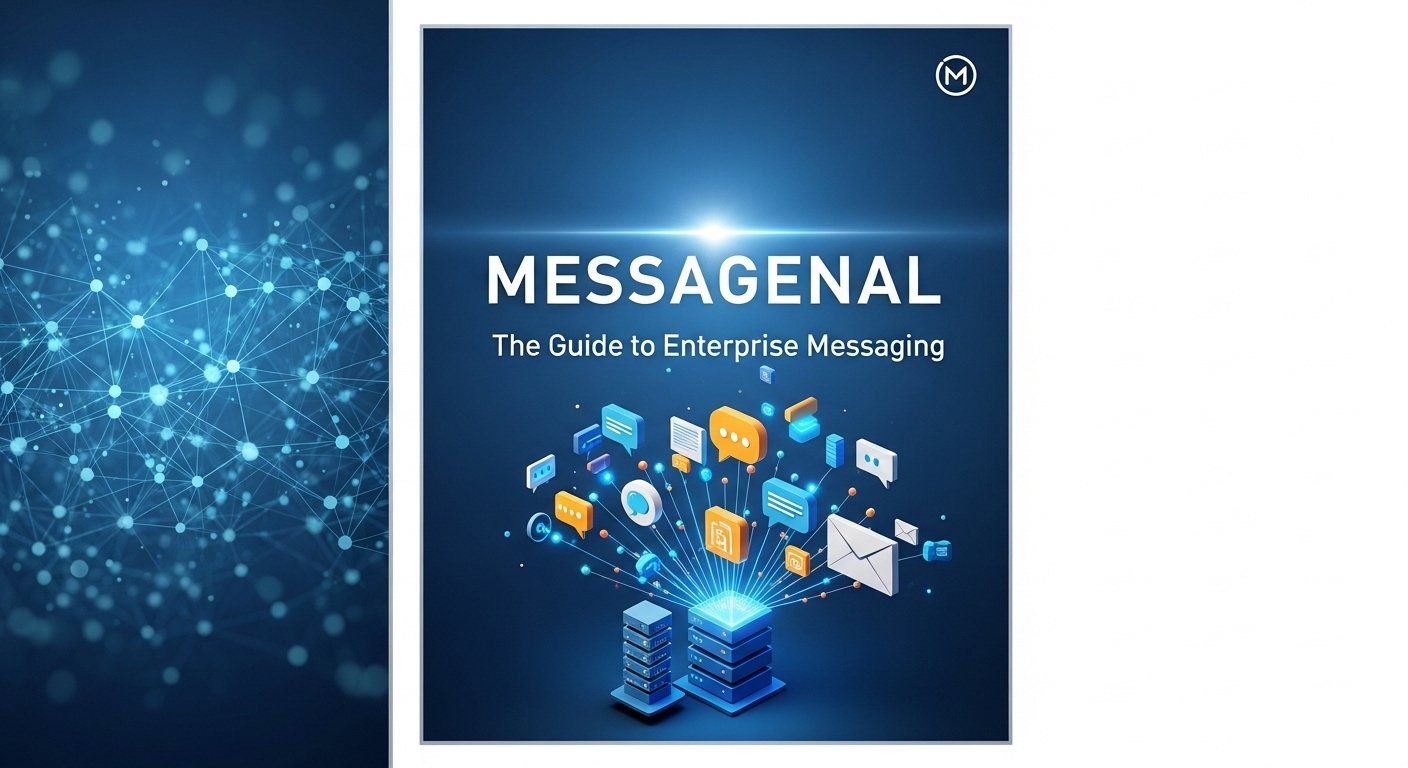
Messagenal is an advanced enterprise communication framework that integrates automated messaging with real-time data signaling. It allows large organizations to route complex data streams into actionable, human-readable messages instantly. By unifying disparate communication channels, Messagenal systems reduce response times, eliminate information silos, and ensure critical alerts reach the right personnel without delay.
Effective internal and external communication forms the backbone of any successful enterprise. Traditional communication methods frequently fail to keep pace with the massive volume of data generated by modern software applications. Teams often find themselves overwhelmed by uncoordinated alerts, disjointed chat threads, and delayed email notifications.
Messagenal solves this exact problem by acting as an intelligent intermediary between your company’s data infrastructure and your communication endpoints. It processes raw system signals and translates them into context-rich messages delivered exactly where they are needed. This guide explores how Messagenal technology developed, its core functionalities, and how organizations use it to streamline their daily operations.
How has Messagenal evolved in the communication industry?
Messagenal evolved from basic application programming interfaces (APIs) and simple webhook integrations into a comprehensive, standalone communication framework. Early software systems relied on direct, point-to-point integrations. If an inventory management tool needed to alert a warehouse manager about low stock, developers had to build a custom bridge between that specific tool and the manager’s email server.
As software ecosystems expanded, this point-to-point method became unsustainable. Organizations adopted unified communications as a service (UCaaS) platforms to consolidate voice, video, and text. However, UCaaS platforms primarily focused on human-to-human interaction. They lacked the ability to intelligently process machine-generated data.
The introduction of Messagenal bridged this gap. Modern Messagenal platforms utilize natural language processing and machine learning to interpret system signals. Instead of simply forwarding an error code to a Slack channel, a Messagenal system analyzes the code, determines its severity, identifies the on-call engineer, and delivers a formatted message containing troubleshooting steps. This evolution transformed passive notification systems into active, intelligent operational hubs.
What are the key components and features of a Messagenal system?
A robust Messagenal architecture relies on several distinct modules working together to process, format, and deliver information. Organizations evaluating Messagenal solutions should look for platforms that offer these essential features.
How does automated signal routing work in Messagenal?
Automated signal routing directs incoming data to the appropriate human recipient based on predefined logic and real-time context. The Messagenal routing engine evaluates the payload of every incoming signal. It checks the source application, the urgency level, and the specific data parameters.
Based on this evaluation, the routing engine consults an organizational directory. It checks employee schedules, presence indicators, and role assignments. If a critical server outage occurs at 3:00 AM, the Messagenal platform will bypass the email inbox of the sleeping IT director and instead send an SMS alert directly to the active night-shift technician. This targeted routing prevents alert fatigue and ensures accountability.
What role does unified data synchronization play?
Unified data synchronization ensures that all communication endpoints reflect the same accurate, up-to-date information simultaneously. When a Messagenal platform updates a task status in a project management tool, it instantly reflects that change across connected team chat channels, CRM dashboards, and email summaries.
This synchronization eliminates the confusion caused by version control issues. Team members do not need to constantly refresh different applications to verify if a problem was resolved. The Messagenal framework maintains a single source of truth, distributing status updates uniformly and automatically closing related alert threads once an issue is marked complete.
What are the primary benefits and use cases of Messagenal?
Implementing a Messagenal framework provides measurable improvements in operational efficiency, response accuracy, and team collaboration. Different departments utilize the technology to solve specific workflow bottlenecks.
How does Messagenal improve customer support workflows?
Messagenal improves customer support workflows by aggregating customer data and delivering it to agents the moment a support ticket opens. When a customer initiates a live chat, the Messagenal system instantly pulls their purchase history from the CRM, their shipping status from the logistics software, and their previous interaction logs from the helpdesk platform.
The system then delivers this comprehensive profile to the support agent in a single, unified view. Agents resolve issues much faster because they do not have to manually search through multiple databases. Choose a Messagenal platform for your support team if reducing average handle time (AHT) is your primary departmental goal.
Why do IT teams use Messagenal for incident response?
IT teams use Messagenal to automate the initial triage and escalation phases of incident response. System downtime costs enterprise businesses thousands of dollars per minute. During an outage, IT professionals cannot waste time manually paging specialists or writing status update emails to executives.
A Messagenal platform detects the anomaly, instantly creates a dedicated digital war room, invites the required specialists based on the specific error type, and automatically pushes regular status updates to an executive dashboard. This allows the engineering team to focus entirely on fixing the underlying problem rather than managing the communication logistics surrounding it.
What are the future trends and predictions for Messagenal technology?
The future of Messagenal technology will focus heavily on predictive communication and advanced artificial intelligence integration. Current Messagenal systems react to events that have already occurred. Next-generation platforms will analyze historical data patterns to predict workflow bottlenecks before they happen.
For example, if a Messagenal system observes that specific marketing campaigns consistently generate a 300% spike in customer inquiries, it will automatically alert the support manager to adjust staffing levels days in advance. Furthermore, generative AI models will allow Messagenal platforms to draft highly complex, nuanced responses to intricate system alerts, providing human operators with ready-to-execute solutions rather than just raw data summaries.
Next steps for implementing Messagenal
Adopting a Messagenal framework requires careful planning and a clear understanding of your current data architecture. Start by mapping out your existing communication silos and identifying the workflows that suffer most from delayed information sharing.
Audit the APIs and integration capabilities of your core software stack to ensure compatibility. Once you have a clear map of your data sources and communication endpoints, you can begin evaluating Messagenal vendors that align with your specific security requirements and operational needs. Unifying your communication infrastructure is a significant project, but the resulting gains in speed and clarity provide a lasting competitive advantage.
Frequently Asked Questions about Messagenal
How much does a typical Messagenal platform cost?
Enterprise Messagenal platforms typically cost between $20 and $50 per user per month, depending on the volume of signals processed and the complexity of the required integrations. Many providers offer tiered pricing based on data throughput rather than seat count.
What is the average timeline for implementing a Messagenal system?
A standard enterprise implementation of a Messagenal system takes between four and eight weeks. This timeline includes integrating core data sources, configuring routing logic, testing alert pathways, and training staff on the new communication protocols.
What are the main risks of relying on Messagenal technology?
The primary risk of relying on Messagenal technology is building overly complex routing rules that result in missed notifications during edge-case scenarios. Organizations mitigate this risk by establishing clear fallback pathways and conducting regular simulated outage drills.
What are the best alternatives to a dedicated Messagenal platform?
The best alternatives to a dedicated Messagenal platform include using native automation features within UCaaS applications (like Slack Workflow Builder) or utilizing generic integration platform as a service (iPaaS) tools like Zapier or Make. Choose these alternatives if your organization has simple routing needs and limited budget.
Who benefits most from using Messagenal?
Large enterprise organizations with complex data ecosystems and distributed teams benefit most from using Messagenal. Specifically, IT operations, customer support, and logistics departments see the highest return on investment due to their reliance on real-time data accuracy.