

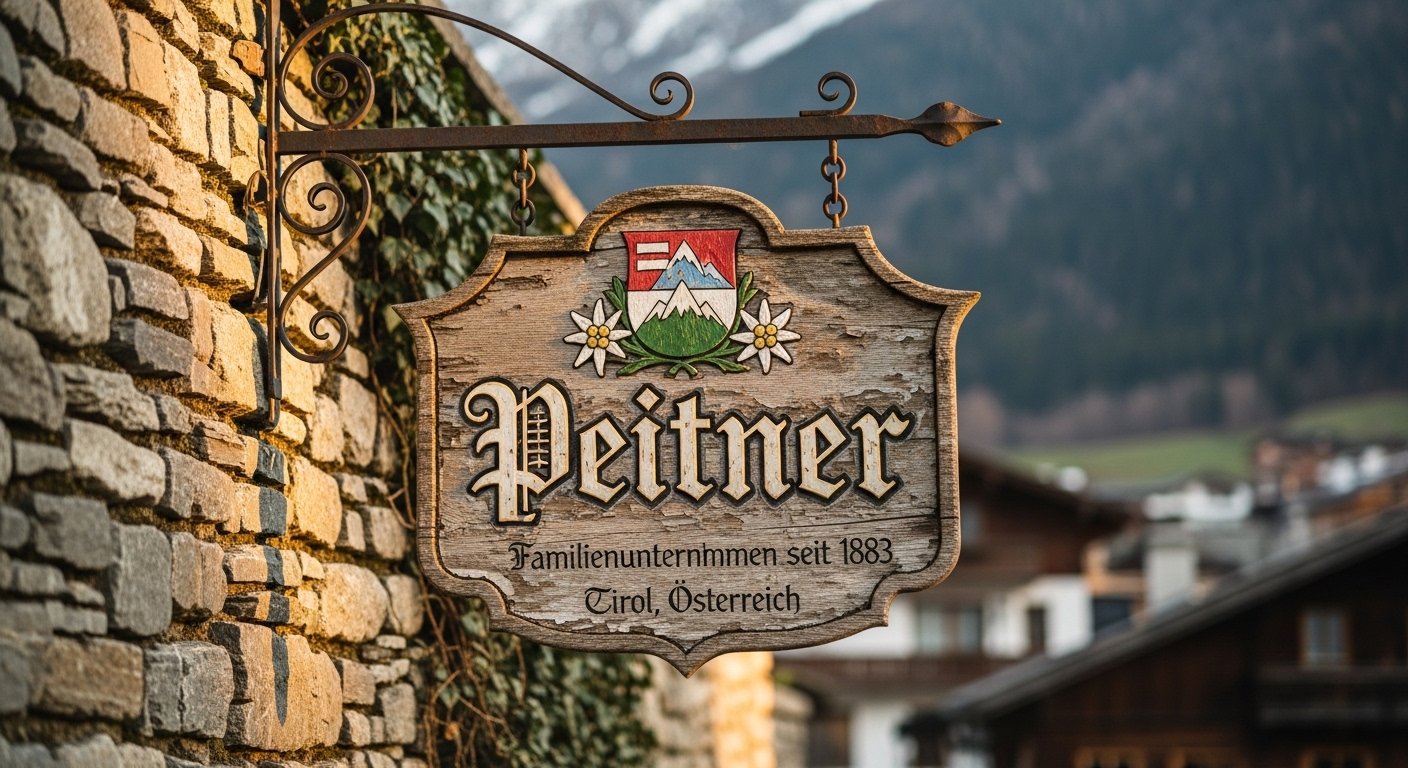
Quick answer: The Peitner name primarily functions as a surname of European origin, often linked to specific geographic regions in Germanic-speaking areas. Researching the Peitner lineage involves tracing historical civil records, understanding regional naming conventions, and utilizing modern genealogical databases to connect familial branches across different centuries and continents.
Genealogy relies heavily on accurate record-keeping and geographic context. For researchers and historians looking into specific family names, understanding the root and historical migration of those names provides crucial context. Tracing a surname requires methodical research through census data, immigration records, and parish registries.
This guide explores the historical context of the Peitner surname. Readers will learn about the origins of the name, the typical characteristics associated with its geographic distribution, and how historical events shaped the movement of families carrying this identifier. By utilizing the steps outlined below, genealogists can effectively map the Peitner family tree and preserve its historical footprint.
What are the history and origins of the Peitner name?
The Peitner surname originates from Germanic language regions, primarily operating as a locational or occupational identifier in historical contexts. Surnames in Central Europe developed during the Middle Ages to distinguish individuals with the same given name. The Peitner name likely derived from a specific town, geographic feature, or trade associated with the original bearers.
Historically, families bearing the Peitner name resided in regions that are now part of modern-day Austria and southern Germany. During the 18th and 19th centuries, economic shifts and political changes prompted significant migration. As a result, individuals with the Peitner surname moved to urban centers and, eventually, to international destinations like North America.
Records from these periods, including ship passenger manifests and naturalization documents, show the Peitner name appearing in various anglicized or altered forms. Genealogists must account for these spelling variations when searching through archival databases.
What are the key characteristics of the Peitner lineage?
The primary characteristic of the Peitner lineage is its strong association with Central European migration patterns. Families with the Peitner surname typically exhibit settlement trends that align with broader historical movements of the 19th century, particularly the transition from agrarian communities to industrial centers.
When analyzing census data, researchers frequently find the Peitner name clustered in specific immigrant neighborhoods upon arrival in new countries. This clustering demonstrates a reliance on community networks and chain migration, where early arrivals assisted later family members in securing housing and employment.
Additionally, the Peitner surname demonstrates typical phonetic adaptations. Depending on the native language of the census taker or immigration official, the name was occasionally transcribed with alternate vowels or consonant pairings. Recognizing these linguistic characteristics is essential for building an accurate Peitner family tree.
How has the Peitner family impacted regional history?
Individuals carrying the Peitner surname contributed to the local economies and cultural landscapes of their respective settlement areas. Like many immigrant families of the era, members of the Peitner lineage participated in foundational industries, including agriculture, manufacturing, and local commerce.
In specific municipalities, archival records highlight the Peitner name in property registries, local business directories, and civic organizations. These documents indicate that the Peitner families actively engaged in community building. By establishing businesses and participating in local governance, the Peitner lineage helped shape the socio-economic development of their immediate regions.
Documenting these contributions requires access to local historical societies and municipal archives. These repositories hold the primary source materials necessary to verify the specific civic and economic activities of the Peitner ancestors.
What is the future outlook for genealogical research on Peitner?
The future of genealogical research for the Peitner surname relies heavily on the continued digitization of international archives and advancements in DNA testing. As more European parish records and civil registries become available online, researchers gain unprecedented access to the foundational documents of the Peitner lineage.
Autosomal DNA testing provides another crucial tool for the future of Peitner family research. By matching genetic profiles across different testing platforms, distant relatives can bypass missing paper records to confirm shared Peitner ancestry. This biological evidence, combined with digitized historical documents, allows genealogists to break through traditional research barriers.
Furthermore, artificial intelligence and machine learning algorithms are improving the transcription of handwritten historical documents. These technological advancements will make identifying the Peitner name in poorly preserved or illegible records significantly easier for future historians.
Next steps for researching the Peitner surname
Tracing the Peitner lineage requires a combination of traditional archival research and modern technological tools. Begin by interviewing living relatives to gather known names, dates, and locations associated with the Peitner family. This oral history provides the starting point for verifying facts in official databases.
Next, utilize major genealogical platforms to search for the Peitner name in census records and immigration manifests. Pay close attention to geographic clusters and spelling variations.
Finally, consider participating in genetic genealogy. Taking a DNA test through a reputable service can connect you with other researchers actively studying the Peitner surname, providing collaborative opportunities to expand the historical record of the family.
Frequently Asked Questions About the Peitner Name
What does the Peitner surname mean?
The exact etymology of the Peitner surname requires specific linguistic analysis, but it generally functions as a geographic or occupational name originating from Germanic-speaking regions of Central Europe.
How much does it cost to research the Peitner lineage?
Basic genealogical research on the Peitner name can be conducted for free using public archives and library resources. However, accessing premium databases, ordering official vital records, or purchasing DNA test kits typically costs between $50 and $200 per step.
How long does it take to trace the Peitner family tree?
Tracing the Peitner family tree is an ongoing process that depends on the availability of records. Constructing a basic three-generation tree might take a few weeks, while tracing the Peitner lineage back to its European origins can take several months or years of dedicated research.
What are the alternatives to online databases for Peitner research?
If online databases lack information on the Peitner surname, researchers should physically visit local historical societies, state archives, and religious institutions in the regions where the family historically resided.
Who is genetic genealogy best suited for when researching Peitner?
Genetic genealogy is highly recommended for researchers who have hit a “brick wall” in the paper trail of the Peitner lineage, or for individuals looking to confirm the accuracy of their documented family tree through biological evidence.